How Expert Carpet Cleaning in Fort Collins, CO Restores Appearance
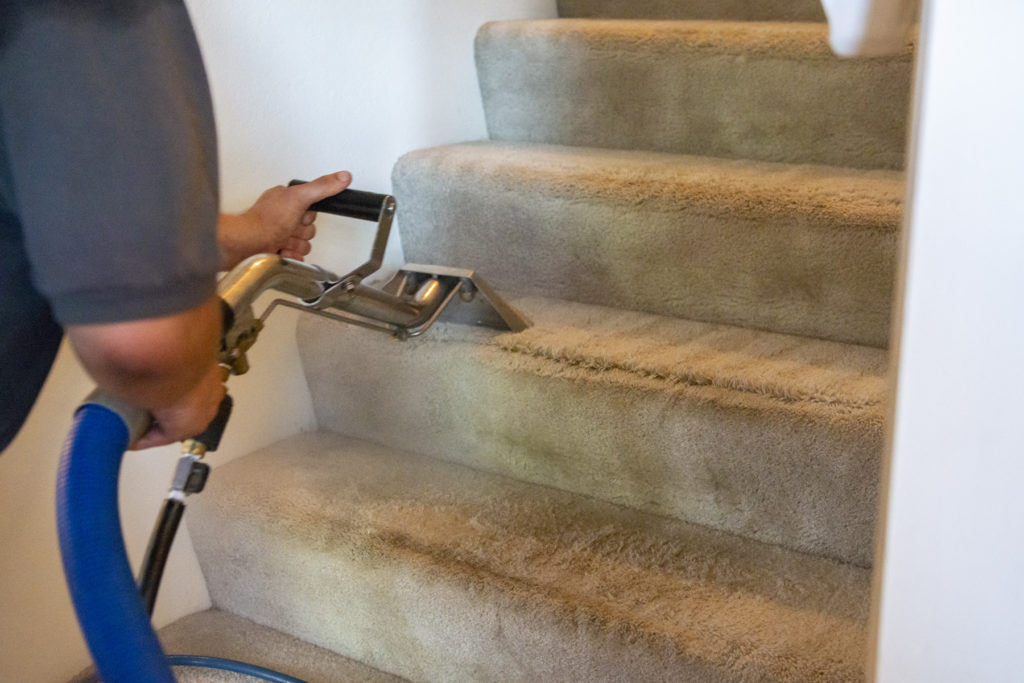

A carpet does not have to be old to look tired. In Fort Collins homes and commercial spaces, appearance often declines long before the fibers are actually worn out. The reason is simple. Carpet acts like a filter, a landing zone, and a sponge all at once. It catches dust from open windows, fine grit tracked in from sidewalks and trails, residue from spills, pet oils, body oils, and the dulling film left behind by past cleaning attempts that were not as thorough as they seemed. Over time, all of that changes the way the surface reflects light. Colors flatten. High traffic lanes go gray. A once-soft texture starts to look matted, even if the carpet itself still has years of life left.
That is where expert carpet cleaning makes a visible difference. Good cleaning does more than remove obvious soil. It restores the clarity of color, lifts compressed pile, rinses away residue, and resets the carpet so it looks closer to how it was meant to look. For homeowners searching for Carpet Cleaning Fort Collins, CO services, the best results usually come from technicians who understand both cleaning chemistry and the practical realities of local conditions.
Why carpets lose their visual appeal faster than people expect
Most carpet discoloration is not permanent damage, at least not at first. It is buildup. That distinction matters because buildup can often be removed, while true fiber damage cannot.
In northern Colorado, carpets face a particular mix of stress. Dry conditions can leave fine dust hanging in the air longer than people realize. Wind pushes dirt into entries. Snowy days bring in moisture, de-icing residues, and gritty slush. During warmer months, foot traffic from yards, patios, and garages adds another layer of soil. If you have children, pets, or a busy household, the pace increases. The carpet begins to hold microscopic particles down near the base of the fibers. Vacuuming helps, but it does not always remove the compacted material in traffic areas.
This is why many homeowners describe their carpet as “clean, but still dingy.” They may vacuum regularly and spot clean spills right away, yet the floor still looks older than the room around it. That is a classic sign that surface maintenance is no longer enough. The problem is sitting deeper in the pile, where ordinary consumer equipment has a hard time reaching.
There is also the issue of residue. A lot of over-the-counter spot products work quickly in the moment, but some leave behind sticky surfactants. At first, the area may look better. Within days or weeks, that same spot starts attracting dirt faster than the rest of the carpet. The result is a patch that darkens unevenly and draws the eye even more than the original spill did.
What professional cleaning changes at the fiber level
The visual improvement after expert carpet cleaning is not magic. It comes from a sequence of technical steps carried out correctly.
First, dry soil removal matters more than most people think. Professional technicians know that sand, grit, and particulate soil behave almost like tiny blades when pressed into carpet by foot traffic. Removing as much dry matter as possible before wet cleaning helps prevent mudding, improves extraction, and reduces fiber abrasion during the process.
Then comes preconditioning. This is where experience shows. Different soils respond to different chemistry. Oily restaurant residue in a commercial setting does not behave the same way as pet traffic in a family room or dusty lane buildup in a hallway. A skilled cleaner selects products based on fiber type, soil load, and the age of stains. They also allow proper dwell time, which is one of those details customers do not always see but absolutely affects the outcome. If the prespray is rushed, the cleaner may remove some soil but leave behind the compacted material that causes the carpet to look shadowed or flat.
Agitation is another overlooked step. When done properly, it helps separate fibers, distribute cleaning solution evenly, and loosen embedded soils. On a matted traffic lane, this can make a noticeable difference in appearance even before extraction begins.
The final major piece is rinse and extraction. This is where much of the visual restoration happens. Hot water extraction, when done with the right temperature, pressure, and recovery, flushes out loosened soil and residual cleaner. That rinse is critical. A carpet that has been cleaned but not well rinsed may look brighter for a short time, then resoil quickly. A carpet that has been thoroughly extracted tends to stay cleaner longer because less residue remains to attract new dirt.
Restoring color, texture, and brightness
When people talk about carpet looking “restored,” they usually mean three things, even if they do not say it that way.
The first is color. Soil buildup changes hue. Beige starts to look gray. Blue tones go dull. Patterned carpet loses contrast. After proper cleaning, those original tones often return in a way that surprises people. I have seen homeowners move a piece of furniture before an appointment and suddenly realize just how much muted traffic film had settled across the exposed areas. The cleaned section does not just look cleaner. It looks more alive, because light reflects off cleaner fibers differently.
The second is texture. Matted Carpet Cleaning Fort Collins, CO carpet can look older than it is. Once soil, oils, and pressure flatten the pile, the room takes on a tired appearance. Professional cleaning loosens that compacted layer, and post-cleaning grooming can help fibers stand more evenly. This does not reverse wear in the true sense, because crushed or frayed fibers cannot be made new again, but it often softens the look of use enough to make the carpet feel refreshed.
The third is brightness. This goes beyond color. A room with freshly cleaned carpet often seems lighter, even when wall color and lighting remain unchanged. That is because clean carpet reflects ambient light more evenly. The effect can be subtle in some homes and dramatic in others, especially where traffic lanes had become visibly dark.
The difference between soil, staining, and wear
One of the most useful things an expert cleaner does is set expectations honestly. Not every blemish is removable, and not every dark area is a stain. The carpet industry talks about three separate issues: soiling, staining, and wear. They can look similar to a homeowner, but they respond very differently.
Soiling is foreign material on the fiber. This is the best candidate for restoration. Dirt, oils, food residue, and tracked-in debris can often be removed or greatly reduced with professional methods.
Staining happens when color is added to or chemically alters the fiber. Coffee, wine, pet accidents, and some plant dyes can leave marks that require specialty treatment. Sometimes they come out fully. Sometimes they improve only partially. The age of the stain, the carpet fiber, and any previous attempts at removal all affect the result.
Wear is physical damage. In hallways, in front of sofas, and on stairs, carpet can lose twist, texture, or even color from abrasion. Once fibers are actually worn down, cleaning cannot rebuild them. What it can do is remove the soil masking the surrounding area, improve overall uniformity, and make the worn section less visually harsh in relation to the rest of the room.
That distinction matters because people often assume a permanently gray traffic lane means the carpet is ruined, when in fact much of the discoloration may still be embedded soil. On the other hand, some areas that look dirty are really worn. An experienced cleaner can tell the difference and explain what kind of improvement is realistic.
Why local conditions in Fort Collins affect cleaning results
Fort Collins has a lifestyle that is hard on floors in the best possible way. People are active. They bike, hike, garden, entertain, and move between indoors and outdoors frequently. Carpets near entries and living spaces catch the evidence. Add seasonal weather swings and the picture becomes more complex.
Dry weather often means loose dust and particulate soil. That kind of debris settles deep and can make carpets look chalky or lifeless. Winter introduces moisture and grit, especially near doors, mudrooms, and main walkways. Spring can bring pollen and damp soil. Homes with dogs often show heavy lane buildup where pets run the same path repeatedly from the backyard to favorite resting spots.
Because of these patterns, Carpet Cleaning Fort Collins, CO homeowners need is rarely one-size-fits-all. A downtown office suite may need low-moisture maintenance between deeper cleanings. A family home in a newer subdivision may need attention focused on stairs, great rooms, and the area around sliding doors. A rental turnover may call for odor treatment in addition to appearance restoration. The best cleaning companies adjust method and emphasis to the setting rather than applying the same routine everywhere.
Common signs it is time for a professional cleaning
There is usually a period when carpet starts looking off before people decide to schedule service. The surface may not seem dirty enough to be urgent, but the room no longer feels as fresh as it should. A few signs tend to show up repeatedly.
- Traffic lanes look darker than the areas under furniture.
- Vacuuming improves the carpet only for a day or two.
- Spots keep reappearing after home treatment.
- The texture feels sticky, crunchy, or unusually stiff.
- The room has a dull appearance even in good natural light.
If two or three of those are happening at once, there is a good chance the carpet is holding residue and embedded soil that standard upkeep is not removing.
Methods matter, but execution matters more
People often ask which process is “best,” hot water extraction, low-moisture encapsulation, bonnet cleaning, or another method. The honest answer is that the right choice depends on the carpet, the soiling conditions, the drying requirements, and the desired outcome. Still, for residential appearance restoration, hot water extraction remains one of the most reliable options when performed correctly.
That said, the machine itself does not guarantee a good result. Two companies can both advertise steam cleaning and deliver very different outcomes. One may use proper pre-vacuuming, appropriate chemistry, controlled moisture, and thorough extraction. Another may rush through, over-wet the carpet, and leave residue behind. From the homeowner’s perspective, both were “steam cleaning.” From a results standpoint, they are not remotely the same.
Low-moisture methods can also be excellent in the right setting. In commercial spaces that need quick dry times or routine interim maintenance, they can keep carpet looking presentable and extend the interval between deep restorative cleanings. The problem comes when a lightly restorative method is used on carpet that is heavily impacted. In that case, the appearance may improve somewhat, but not enough to truly reset the carpet.
This is why experience matters. A skilled technician does not just bring equipment. They evaluate pile type, traffic patterns, previous maintenance, stain history, and drying conditions before deciding how aggressive or conservative to be.
The role of pet issues, odor, and hidden residues
Pet households create a special category of carpet appearance problems. Hair is the obvious part, but oils, saliva, body soil, and occasional accidents do more visual damage than many owners realize. Even when odor is not severe, pet paths often look darker. Favorite sleeping areas can become slick or compressed. If urine has been blotted with household products multiple times, residue may remain in the face fibers and the backing.
Professional cleaning can improve these areas substantially, but success depends on treating the source correctly. If contamination has soaked into the pad, surface cleaning alone may not fully solve the problem. The carpet can still look better, but recurring Carpet Cleaning Fort Collins, CO odor or discoloration may remain unless deeper remediation is done.
This is another place where honest assessment matters. Good cleaners will not promise total restoration if the issue extends beyond the face fiber. They will explain whether the goal is cosmetic improvement, odor reduction, or full decontamination, and whether additional work is needed.
Why DIY machines rarely restore the same look
Rental machines and consumer carpet cleaners can help in a pinch. They are better than doing nothing after a spill, and for light maintenance they have their place. But appearance restoration is a different standard.
Consumer units typically lack the suction power, heat consistency, and rinse efficiency needed to remove heavily embedded soils. Many also leave carpets wetter for longer. That extended dry time can wick deeper soils upward, making spots return. It can also flatten fibers further as the carpet stays damp under foot traffic.
There is also the issue of detergent use. Home users often apply more solution than necessary because visible foam feels like action. Unfortunately, excess detergent is one of the fastest ways to create resoiling. I have walked into homes where the carpet felt almost tacky, not because it was inherently dirty, but because repeated DIY cleaning had layered residue onto the fibers. Professional extraction in those situations often produces dark recovery water almost immediately, even if the carpet had supposedly been cleaned just a few weeks before.
What a well-cleaned carpet should look and feel like afterward
After expert cleaning, homeowners usually notice a few changes right away. The room smells cleaner, though ideally not heavily perfumed. The carpet feels softer underfoot. Colors appear clearer. The random small shadows that once made the floor look uneven are reduced or gone.
Drying time varies based on method, humidity, airflow, and carpet density, but a properly cleaned carpet should not feel swampy or heavily saturated. There may be some temporary wand marks or slight pile distortion, especially in plush carpets, but these usually settle as the fibers dry and recover.
A well-cleaned carpet also behaves differently over the next several weeks. It tends to vacuum better. New dry soil releases more easily because sticky residue is no longer trapping it. The appearance stays more consistent instead of bouncing between “okay” and “dingy” from one day to the next.
How often professional cleaning keeps carpet looking its best
There is no perfect universal schedule, but waiting until carpet looks obviously dirty usually means soil has been grinding in for quite a while. For many Fort Collins households, a professional cleaning every 12 to 18 months keeps appearance in a good range. Homes with pets, children, allergies, or high entertaining traffic often benefit from service every 6 to 12 months. Commercial environments vary widely depending on occupancy and use.
The right timing is not just about hygiene. It is about preserving appearance before soils become harder to remove and wear becomes more pronounced. A carpet cleaned at sensible intervals generally restores more completely than one that has been neglected for several years.
A practical way to think about it is this: clean for recovery, not just rescue. If the carpet still has bounce, color variation, and a generally fresh look, cleaning can maintain that standard. If it has already gone flat, gray, and sticky, the process shifts toward correction, which can still help a great deal but may not return everything to near-new condition.
Choosing a service that actually improves appearance
When homeowners compare companies, price often gets the first glance. That is understandable, but appearance restoration depends heavily on process and skill. The cheapest option can become expensive if it leaves residue, causes overwetting, or fails to address spots properly.
A few questions reveal a lot. Ask what method they recommend for your carpet and why. Ask whether they pre-vacuum, pre-treat traffic lanes, and include spot treatment. Ask about estimated dry times. Ask how they handle pet issues, recurring spots, or delicate fibers such as wool or specialty blends. The answers should sound specific, not generic.
Here are a few green flags worth listening for:
- Clear explanation of method, dwell time, and extraction
- Realistic expectations about stains versus wear
- Attention to fiber type and manufacturer guidance
- Focus on residue removal, not just surface appearance
- Honest discussion of drying and aftercare
When a company can explain those details comfortably, it usually means they understand why carpet appearance changes and how to reverse as much of it as the material allows.
Small aftercare habits that extend the restored look
Once the carpet has been professionally cleaned, a few simple habits can preserve the visual improvement much longer. Entry mats help more than people think, especially in seasons when fine grit or moisture comes in from outside. Vacuuming slowly in traffic lanes, rather than making quick passes everywhere, removes more dry soil before it compacts. Blotting spills promptly and avoiding heavy store-bought detergents reduces sticky residue. Rearranging furniture occasionally can also change wear patterns and keep certain lanes from aging faster than the rest of the room.
None of this replaces expert cleaning, but it does protect the investment. In homes where these habits are followed, carpets usually maintain their brightness and texture noticeably longer between appointments.
When restoration can delay replacement
One of the most satisfying outcomes of expert carpet cleaning is that it often buys time. A carpet that looked ready for replacement may only have needed a serious reset. Not every case turns out that way, of course. If backing is failing, seams are opening, or fibers are truly worn down, cleaning will not solve structural problems. But plenty of carpets are judged too harshly because embedded soil has disguised their remaining life.
That is particularly true in real estate prep, rental turnover, and homes where owners have grown so used to gradual dulling that they no longer remember how the carpet was supposed to look. After a proper cleaning, the room can feel updated without changing anything else. Furniture reads better against the floor. Light bounces more evenly. The whole space looks cared for again.
That is the real value of expert Carpet Cleaning Fort Collins, CO residents rely on. It is not only about cleanliness in the abstract. It is about restoring the visual foundation of a room, bringing back color, softness, and balance that everyday living slowly covered up. When the work is done well, carpet does not just pass as acceptable. It contributes to the appearance of the space the way it did when it was first installed.
TLC Carpet & Air Duct Cleaning
921 E Prospect Rd, Suite C
Fort Collins, CO 80525
(970) 352-8176
FAQ About Carpet Cleaning Fort Collins, CO
What is the best time of year to clean carpets in Fort Collins, CO?
Choose a day when you can give the carpet time to dry and keep foot traffic low. Ventilation and indoor humidity can matter more than the season.
How long will my carpet take to dry after cleaning?
Drying time varies with the carpet, cleaning method, humidity, and airflow. Ask the technician for an estimate and when to move furniture back.
How do I prepare my home for carpet cleaning?
Pick up small items, clear a path for equipment, and point out stains or delicate fibers. Ask the cleaner which furniture they can move and what needs to be moved before the visit.